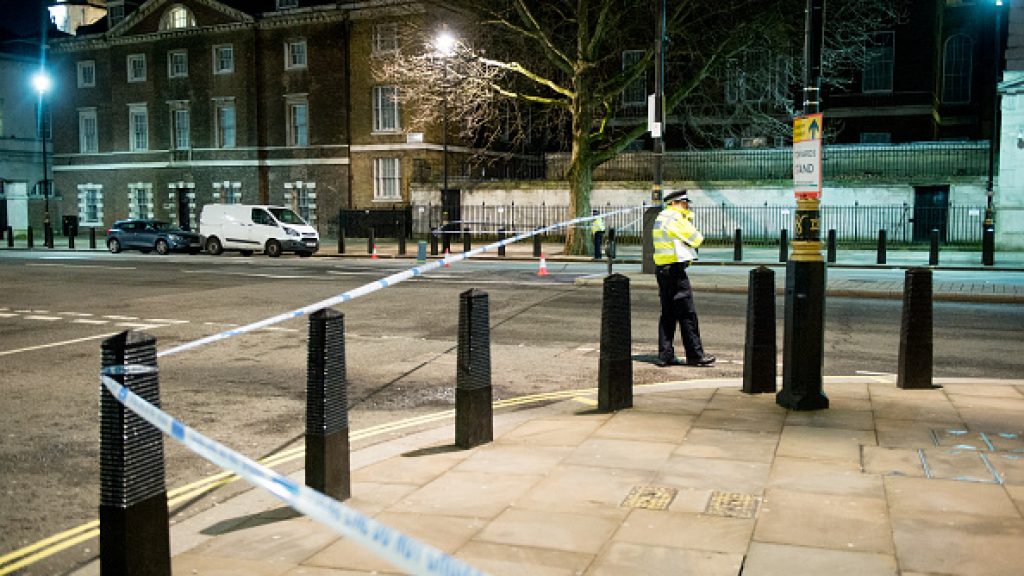
A care leavers’ organisation has warned that the Metropolitan Police must “do more” to address knife crime in the capital.
Speaking to City News, Ibrahim Ali, the chair of the Care Leavers National Movement, said that London’s problem with knife crime is an issue that stems from people’s desperation rather than a lust for violence.
Mr Ali, who spent several years in care as a teenager in Islington, explained how he was exposed to knife crime through the community.
“Growing up, there were times when I was chased down the street by people carrying knives who I didn’t get on with.
“Fortunately, I was never stabbed, but I’ve been chased. I’ve had screwdrivers pulled on me. Things like that.”
Mr Ali was speaking in response to an announcement by the Metropolitan Police Service that officers had seized 411 knives in a one-week period at the end of April.
The operation, which ran from 26 April to 2 May, resulted in a total of:
11 Automatic Number Plate Recognition deployments;
74 warrants executed.
In a statement, the Metropolitan Police said that this activity was aimed at “reducing violent crime in London.”
London is the worst affected area by knife crime in the United Kingdom. The most recent figures show that cases are still rising.
London’s knife crime statistics worsened last year.
However, Mr Ali feels that the issue will not go away simply by seizing weapons.
“There will always be other knives. They’re very easy to get hold of,” he said.
“For the police to have taken more than 400 knives off the road, that’s good. I’m happy with that, but more needs to be done. There needs to be a bigger operation aimed at addressing why knives are such a problem in the first place.”
‘Young people don’t have money’
When asked what he thought this problem was, Mr Ali said, “A lot of it is driven by money. That’s because it’s very, very hard for under 18s to get a job.
“Most companies need specialist insurance to hire under 18s. Younger people legally aren’t allowed to work as many hours in a week as adults. They can’t do night shifts and stuff like that.
“So, a lot of them are unemployed. They’re broke. They don’t have any money. Especially when they come from council housing or have an immigrant background.
“And because they don’t have a backup, they turn to petty crimes and through that most of them end up carrying a blade.
“Some of the time, you’ll find people who enjoy carrying a knife because they quite like the power. There was one guy in one of the half-way houses I used to live in who was like this.
“But most of the people who carry are people who have nothing else to turn to and know that this is the only way to stay safe.”
Submitted Article
Headline"More needs to be done" - Islington Care Leaver on London Knife Crime
Short HeadlineKnife Crime: "More needs to be done"
StandfirstThe Metropolitan Police are targeting knife crime in the capital, but some young people have no other option, according to a member of the care community.
Published Article
HeadlineMet Police needs to ‘do more’ on knife crime, care leavers’ charity warns
Short HeadlinePolice 'need to do more' on knife crime, charity warns
StandfirstThe chair of the Care Leavers National Movement, said the problem "stems from people’s desperation rather than a lust for violence."
The Chair of the Care Leavers National Movement has said that London’s problem with knife crime is an issue that stems from people’s desperation rather than a lust for violence.
Speaking exclusively to City News, Ibrahim Ali, who spent several years in care as a teenager in Islington, explained how he was exposed to knife crime through the community.
“Growing up, there were times when I was chased down the street by people carrying knives who I didn’t get on with.
“Fortunately, I was never stabbed, but I’ve been chased. I’ve had screwdrivers pulled on me. Things like that.”
Ibrahim was speaking in response to an announcement by the Metropolitan Police Service that officers had seized 411 knives in a one-week period at the end of April.
The operation, which ran from Monday, 26 April to Sunday, 2 May, resulted in a total of:
London is the worst affected area by knife crime in the United Kingdom. The most recent figures show that cases are still rising.
London’s knife crime statistics worsened last year
However, Ibrahim feels that the issue will not go away simply by seizing weapons.
“There will always be other knives. They’re very easy to get hold of,” he said.
“For the police to have taken more than 400 knives off the road, that’s good. I’m happy with that, but more needs to be done. There needs to be a bigger operation aimed at addressing why knives are such a problem in the first place.”
“Young people don’t have money”
When asked what he thought this problem was, Ibrahim said, “A lot of it is driven by money. That’s because it’s very, very hard for under 18s to get a job.
“Most companies need specialist insurance to hire under 18s. Younger people legally aren’t allowed to work as many hours in a week as adults. They can’t do night shifts and stuff like that.
“So, a lot of them are unemployed. They’re broke. They don’t have any money. Especially when they come from council housing or have an immigrant background.
“And because they don’t have a backup, they turn to petty crimes and through that most of them end up carrying a blade.
“Some of the time, you’ll find people who enjoy carrying a knife because they quite like the power. There was one guy in one of the half-way houses I used to live in who was like this.
“But most of the people who carry are people who have nothing else to turn to and know that this is the only way to stay safe.”
A care leavers’ organisation has warned that the Metropolitan Police must “do more” to address knife crime in the capital.
Speaking to City News, Ibrahim Ali, the chair of the Care Leavers National Movement, said that London’s problem with knife crime is an issue that stems from people’s desperation rather than a lust for violence.
Mr Ali, who spent several years in care as a teenager in Islington, explained how he was exposed to knife crime through the community.
“Growing up, there were times when I was chased down the street by people carrying knives who I didn’t get on with.
“Fortunately, I was never stabbed, but I’ve been chased. I’ve had screwdrivers pulled on me. Things like that.”
Mr Ali was speaking in response to an announcement by the Metropolitan Police Service that officers had seized 411 knives in a one-week period at the end of April.
The operation, which ran from 26 April to 2 May, resulted in a total of:
11 Automatic Number Plate Recognition deployments;
74 warrants executed.
In a statement, the Metropolitan Police said that this activity was aimed at “reducing violent crime in London.”
London is the worst affected area by knife crime in the United Kingdom. The most recent figures show that cases are still rising.
London’s knife crime statistics worsened last year.
However, Mr Ali feels that the issue will not go away simply by seizing weapons.
“There will always be other knives. They’re very easy to get hold of,” he said.
“For the police to have taken more than 400 knives off the road, that’s good. I’m happy with that, but more needs to be done. There needs to be a bigger operation aimed at addressing why knives are such a problem in the first place.”
‘Young people don’t have money’
When asked what he thought this problem was, Mr Ali said, “A lot of it is driven by money. That’s because it’s very, very hard for under 18s to get a job.
“Most companies need specialist insurance to hire under 18s. Younger people legally aren’t allowed to work as many hours in a week as adults. They can’t do night shifts and stuff like that.
“So, a lot of them are unemployed. They’re broke. They don’t have any money. Especially when they come from council housing or have an immigrant background.
“And because they don’t have a backup, they turn to petty crimes and through that most of them end up carrying a blade.
“Some of the time, you’ll find people who enjoy carrying a knife because they quite like the power. There was one guy in one of the half-way houses I used to live in who was like this.
“But most of the people who carry are people who have nothing else to turn to and know that this is the only way to stay safe.”
There were four knife attacks in London stations in just one week in November and heightened anxiety surrounding them across the UK. So, why are there so many knife attacks on public transport?
A 2024 Freedom of Information request showed Bromley Council had £4.5 million invested in arms companies that year with £1.5 million reportedly linked to Israel.
Undercover officers raided three linked shops in Barking town centre, revealing how illicit tobacco is being hidden in walls, ceilings and nearby locations to evade detection.
More than 330,000 people across the UK sought support from the Stop It Now helpline in 2025 over concerns about their own or someone else’s online sexual behaviour towards children, according to new charity data. The anonymous service says contacts by phone, email and webchat rose significantly over the year.